The story behind the practice
About us
Fifteen years of practice, a lot of breaks, and one belief that kept bringing me back: anyone can learn — if they're willing to be patient.
Why I teach
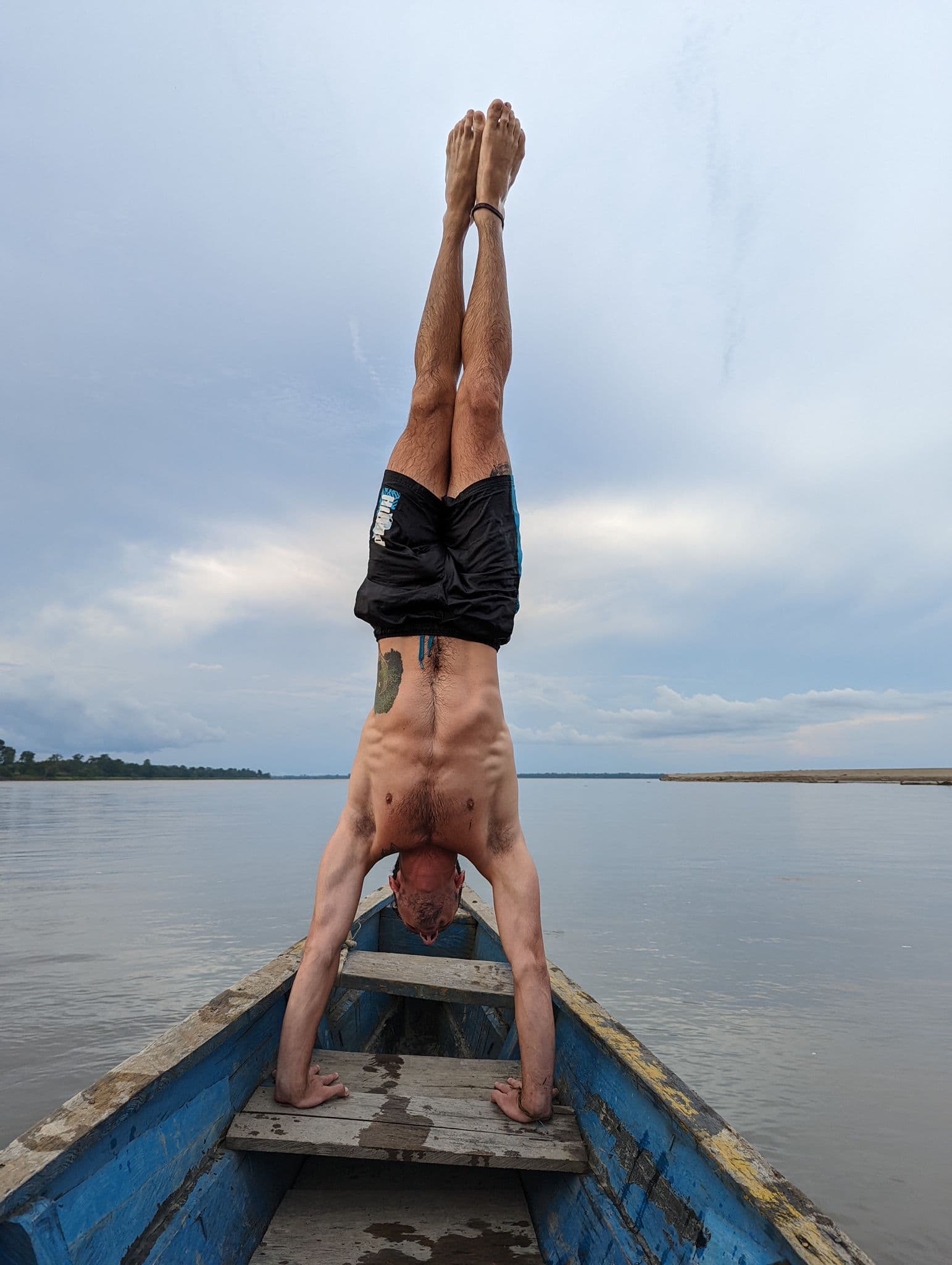
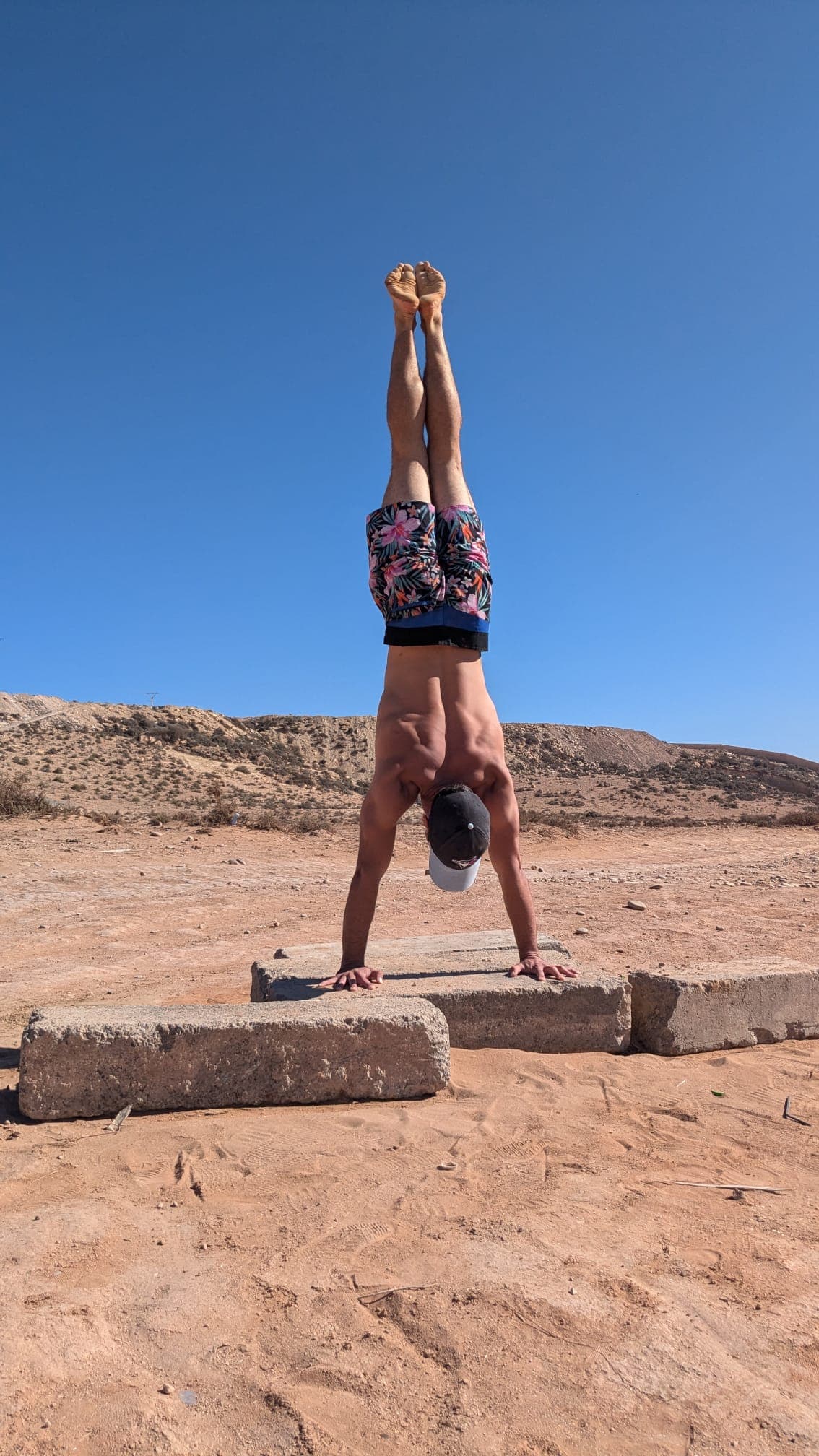
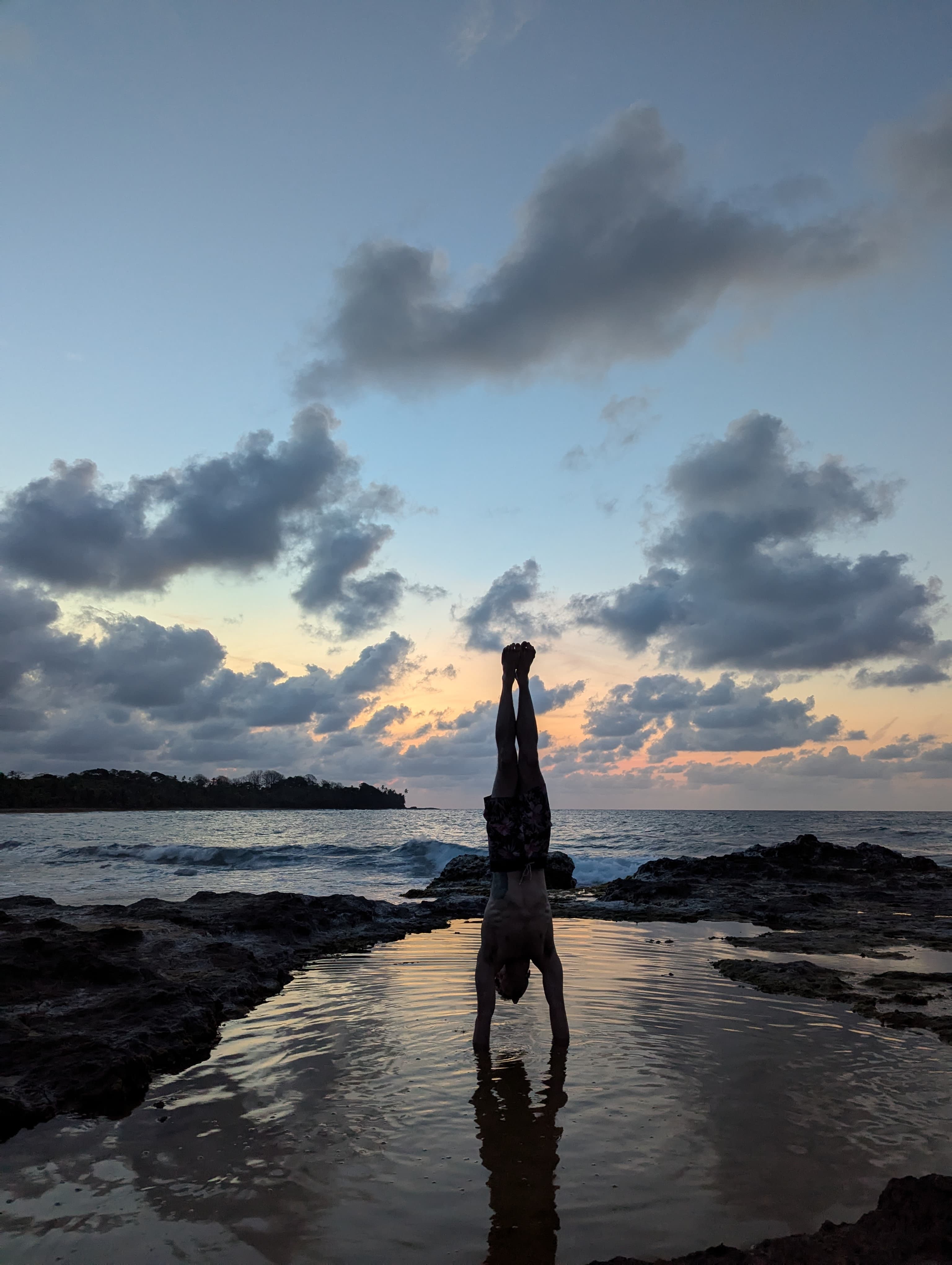
I started handstanding at 14 and promptly stopped. Then started again. Then stopped. That went on for years — I had more breaks than sessions. At some point it finally clicked, and since then I haven't looked back. Obsessed is probably the right word.
I teach because this practice got me through a lot, and it did it with two ingredients I didn't always want: patience, and consistency. I want to share what that looks like — and to build a community of people who train together, so nobody has to figure it out alone.
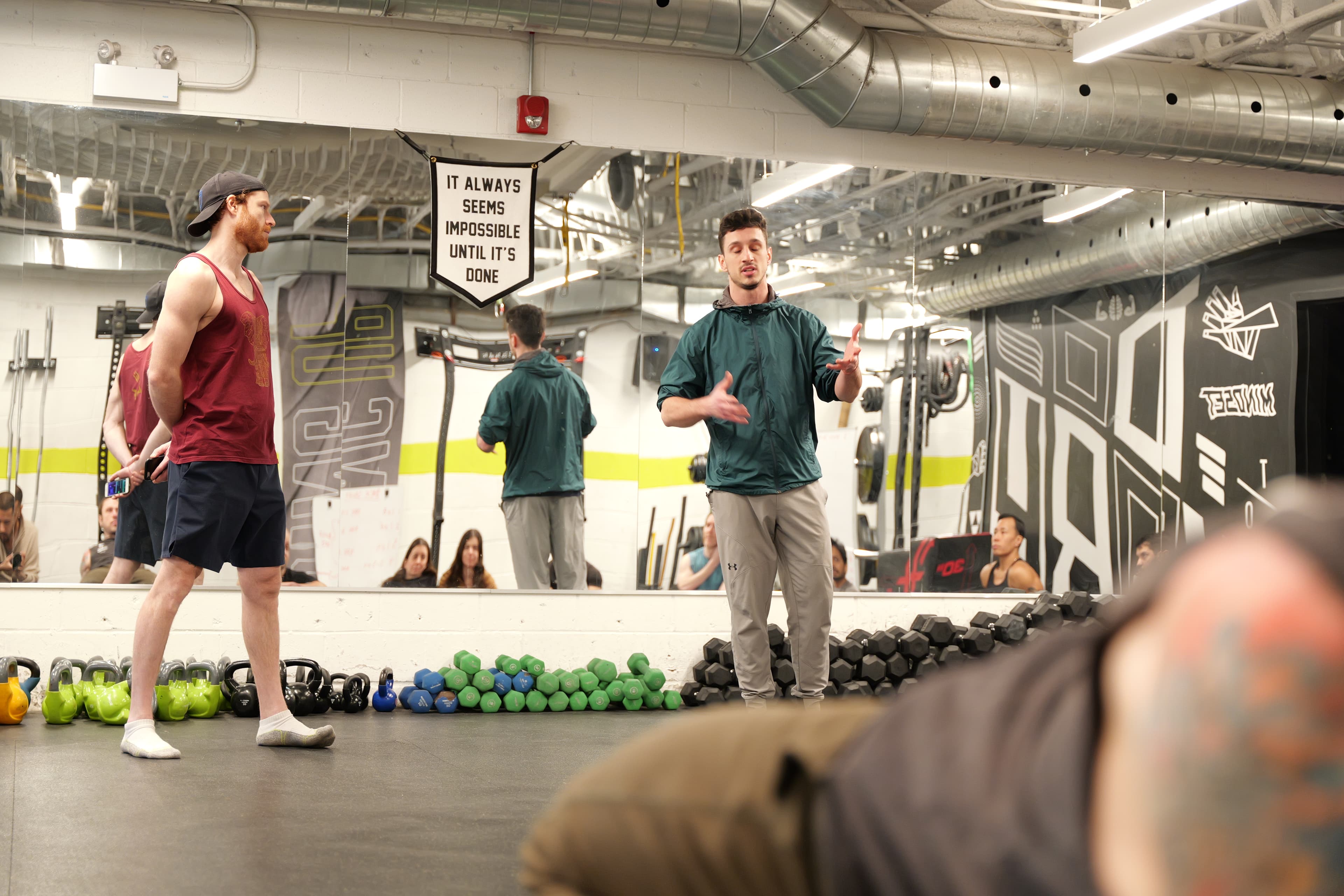
I co-host the workshops with my friend Garson Karrel — my own movement coach (animal movement is his specialty), now learning handstands alongside everyone else. Two sets of eyes, real attention, honest support.
Once you get it, you're hooked. Promise.
Patience first
A clean handstand takes time — closer to learning to walk than learning a trick. The class shows you how, and keeps you coming back.
Train between sessions
Real progress happens in the weeks between workshops. We'll give you what to work on and people to work on it with.
Community is the point
Curious, rediscovering, or already deep in it — everyone belongs. The goal is to leave with people you can practise with.
the practice
Patience is
the skill
A handstand doesn't happen in a single session. It doesn't happen after ten. It happens slowly — in the quiet accumulation of showing up, falling, adjusting, and showing up again.
What most people don't expect is how much of it is listening — to where your weight wants to go, which finger grips too hard, the tiny hip shift that sends everything sideways.
That process — learning to read your body with precision — makes the handstand one of the most honest practices there is. You can't fake it. You can't rush it.
Consistency matters more than intensity. One session a week beats ten in a month followed by a long break. The nervous system needs repetition.
Progress rarely looks like progress when you're in it. Then one day you kick up and something feels different — quieter, more stable — and you realise it was working the whole time.
That's the part I love most. Teaching people to trust the process when they can't yet see the result.
handstands come with me
“A handstand isn't a trick you learn.
It's a conversation you keep having with your body — one that gets better with time.”
ready to start?